





Introduction
Landing an IBM Software Engineer Internship can change the direction of your career. IBM is one of the oldest and most respected technology companies in the world. It builds cloud platforms, AI tools, quantum computers, and enterprise software used by millions of businesses.
An internship at IBM gives you real coding experience, mentorship from senior engineers, and a strong line on your resume. It also opens the door to a full-time offer after graduation.
This guide breaks down everything you need to know. You will learn who qualifies, how to apply, what the interview looks like, what skills you need, and how to stand out from thousands of other applicants.
Quick Answer
An IBM Software Engineer Internship is a paid, structured program for students who want hands-on software development experience.
Interns work on real IBM products, get mentorship, and often receive full-time job offers. You need strong coding fundamentals in languages like Python, Java, or JavaScript, plus a resume that shows real projects.
Applications open months before the internship starts, so early action matters.
Author Information
Author: Gulnaz Malik
Role: Founder, Publisher & Technology Content Specialist
Experience: 5+ Years in Technology, AI, Software & Digital Innovation
Content Review: All content follows Google’s latest EEAT guidelines and includes fact-checked information from official documentation, trusted technology sources, industry reports, and practical research to ensure accuracy, reliability, and up-to-date insights.
Table of Contents
- What Is the IBM Software Engineer Internship?
- Why IBM Is a Great Place to Start Your Career
- Eligibility Requirements
- Types of Software Engineering Internships at IBM
- Skills You Need Before Applying
- How to Apply Step by Step
- IBM Internship Application Timeline
- The IBM Interview Process Explained
- Common Interview Questions and How to Answer Them
- Salary, Stipend, and Benefits
- What a Typical Day Looks Like
- Real-World Projects Interns Work On
- Tips to Stand Out From Other Applicants
- Common Mistakes to Avoid
- Remote vs On-Site Internships
- Life After the Internship: Full-Time Conversion
- Latest Trends in IBM’s Internship Program
- Troubleshooting Common Application Problems
- Key Takeaways
- Conclusion
- Frequently Asked Questions
What Is the IBM Software Engineer Internship?
The IBM Software Engineer Internship is a structured, paid program for students studying computer science, software engineering, or related fields. Interns join real engineering teams. They write code, fix bugs, build features, and ship work that IBM customers actually use.
This is not a “watch and learn” program. IBM expects interns to contribute like junior engineers, with guidance from mentors along the way.
Most internships run for 10 to 12 weeks during the summer. IBM also offers co-op programs that can last 6 months or longer, mainly in Canada and a few other regions.
Key facts about the program:
- Open to undergraduate and graduate students
- Paid position with competitive stipend
- Hybrid, remote, or on-site depending on location
- Includes mentorship, training, and networking events
- Strong path to a full-time Software Engineer role
Why IBM Is a Great Place to Start Your Career
IBM has over 100 years of history in technology. It shaped the personal computer industry, built early business software, and now leads in hybrid cloud and enterprise AI through its WatsonX platform.
Here’s why interns choose IBM:
- Scale: IBM serves clients across banking, healthcare, government, and manufacturing. You work on systems that handle massive amounts of data.
- Learning culture: IBM invests heavily in training. Interns get access to internal courses, certifications, and IBM’s own learning platform.
- Mentorship: Every intern gets a manager and often a peer buddy for day-to-day questions.
- Global network: IBM operates in over 170 countries. Interns can connect with engineers worldwide.
- AI and quantum work: IBM is a leader in quantum computing and generative AI, so interns get exposure to cutting-edge fields most companies don’t touch yet.
Eligibility Requirements
IBM keeps eligibility fairly open, but there are baseline requirements.
General requirements:
- Currently enrolled in a bachelor’s, master’s, or PhD program
- Studying computer science, software engineering, computer engineering, or a closely related field
- Expected graduation date usually within 1–2 years of the internship
- Legal right to work in the country of the internship location
- Basic proficiency in at least one programming language
Good to have (not always required):
- Prior coding projects on GitHub
- Participation in hackathons
- Open-source contributions
- Relevant coursework in data structures, algorithms, or databases
IBM does not require a specific GPA cutoff published publicly, but candidates with strong academic performance and visible project work tend to move faster through screening.
Types of Software Engineering Internships at IBM
IBM’s internship program is broad. Depending on the year and business unit, you may find openings in:
- Cloud Engineering – working on IBM Cloud infrastructure and services
- AI and WatsonX – building or testing generative AI features
- Cybersecurity Engineering – secure coding and vulnerability testing
- Data Engineering – building pipelines and data platforms
- Quantum Computing Software – working with Qiskit and quantum SDKs
- Full-Stack Development – building internal or client-facing web applications
- DevOps and Site Reliability – automation, CI/CD pipelines, and monitoring
Each track has its own interview focus, so it helps to know which team you’re applying to before your interview.
Skills You Need Before Applying
You don’t need to be an expert, but you do need solid fundamentals. Here’s what matters most.
Technical Skills
- Programming languages: Python, Java, JavaScript, or C++ (pick one and go deep)
- Data structures and algorithms: arrays, linked lists, trees, graphs, sorting, searching
- Version control: Git and GitHub basics
- Databases: SQL fundamentals, basic understanding of NoSQL
- Cloud basics: familiarity with IBM Cloud, AWS, or Azure is a bonus
- APIs: understanding REST APIs and how services communicate
Soft Skills
- Clear communication during code reviews and stand-ups
- Comfort asking questions when stuck
- Time management across multiple small tasks
- Willingness to receive feedback
Many rejected candidates have decent coding skills but weak communication during interviews. Practice explaining your thought process out loud, not just writing correct code silently.
How to Apply Step by Step
Follow these steps to apply the right way.
- Create an IBM Careers profile. Go to IBM’s official careers site and set up your candidate account.
- Search for “Software Engineer Intern” or “Early Professional” roles. IBM often labels internships under “Early Professional Programs.”
- Filter by location and start date. Choose roles matching your availability.
- Tailor your resume. Highlight projects, relevant coursework, and any coding experience. Keep it to one page.
- Write a short, honest cover letter (if requested). Mention why you want to work at IBM specifically, not just “any tech company.”
- Submit your application early. Many roles close once enough qualified applicants apply, even before the official deadline.
- Complete online assessments. Some roles require a coding test or logical reasoning test right after applying.
- Prepare for interviews. Once you clear the assessment, recruiters schedule technical and behavioral interviews.
“Pro tip: Apply to multiple teams and locations if you’re flexible. Openings exist across many countries, and casting a wider net increases your odds.”
IBM Internship Application Timeline
IBM typically follows this rough hiring cycle for summer internships:
| Stage | Typical Timing |
| Applications open | August to October (previous year) |
| Applications close | December to February |
| Online assessments | Within 2–3 weeks of applying |
| Interviews | January to March |
| Offers sent | February to April |
| Internship starts | May to June |
Dates shift each year slightly, so always check the official IBM Careers page for the current cycle instead of relying on last year’s schedule.
The IBM Interview Process Explained
IBM’s interview process for interns is usually shorter than for full-time roles, but it still tests real skills.
Typical stages:
- Resume screening – recruiters check for relevant coursework and projects
- Online coding assessment – usually 1–2 problems on data structures and algorithms
- Technical interview – a live coding round with an engineer, often 45–60 minutes
- Behavioral interview – questions about teamwork, problem-solving, and communication
- Final decision – offer, waitlist, or rejection notice
Some teams combine the technical and behavioral rounds into one interview. Others split them across two separate calls.
Common Interview Questions and How to Answer Them
Technical questions:
- “Reverse a linked list.” Know the iterative and recursive solutions.
- “Find duplicate elements in an array.” Practice hash map-based solutions.
- “Explain the difference between a stack and a queue.” Be ready with real examples.
- “Write a function to check if a string is a palindrome.” A classic warm-up question.
Behavioral questions:
- “Tell me about a time you worked in a team on a project.”
- “Describe a bug you struggled to fix. How did you solve it?”
- “Why do you want to intern at IBM specifically?”
- “How do you handle feedback on your code?”
How to answer well:
Use the STAR method: Situation, Task, Action, Result. Keep answers under two minutes. Give specific examples instead of general statements.
Salary, Stipend, and Benefits
IBM pays software engineering interns a competitive hourly wage or monthly stipend, depending on the country. Exact numbers vary by location, experience level, and local market rates, so always confirm current figures directly with IBM or your offer letter.
Common benefits include:
- Paid stipend or hourly wage
- Housing stipend in some locations (for on-site roles far from home)
- Access to IBM’s learning platform and certifications
- Networking events with senior leaders
- Potential relocation or travel support
- Employee resource groups for community and mentorship
Interns should treat the internship as a paid, real job with real deliverables, not a casual learning experience.
What a Typical Day Looks Like
A regular day for an IBM software engineering intern often includes:
- Morning stand-up meeting with the team
- Reviewing assigned tickets or tasks in a project tracker
- Writing and testing code
- Code review sessions with a mentor
- Attending training sessions or intern-only workshops
- Documenting progress at the end of the day
Interns usually work on a mix of independent tasks and pair-programming sessions with full-time engineers.
Real-World Projects Interns Work On
IBM interns don’t just do busywork. Past intern projects have included:
- Building internal dashboards to track cloud resource usage
- Contributing to WatsonX AI model testing and evaluation
- Automating parts of CI/CD pipelines
- Writing test suites for cybersecurity tools
- Building small features for IBM Cloud services
- Working on Qiskit-based quantum computing experiments
By the end of the internship, most interns present their project to the wider team, similar to a mini product demo.
Tips to Stand Out From Other Applicants
- Build 2–3 solid projects and put them on GitHub with clear README files.
- Practice coding problems daily on platforms that offer algorithm challenges.
- Learn to explain your code out loud. Interviewers care about your thought process, not just the final answer.
- Research IBM’s current focus areas, like hybrid cloud and generative AI, and mention them naturally in interviews.
- Follow up politely after interviews with a short thank-you email.
- Apply early in the cycle instead of waiting until the deadline.
Common Mistakes to Avoid
- Applying with a generic resume that isn’t tailored to software roles
- Skipping the online coding assessment deadline
- Memorizing solutions instead of understanding the logic
- Failing to ask clarifying questions during coding interviews
- Not researching IBM’s products before the interview
- Applying to only one location or team
Remote vs On-Site Internships
IBM offers a mix of remote, hybrid, and on-site internships depending on the team and country.
Remote internships:
- More flexible schedule
- Requires strong self-discipline
- Communication happens mostly through chat and video calls
On-site or hybrid internships:
- Easier access to mentors in person
- More networking opportunities
- Often includes office perks and in-person events
Neither format is “better” for everyone. Choose based on your learning style and personal circumstances.
Life After the Internship: Full-Time Conversion
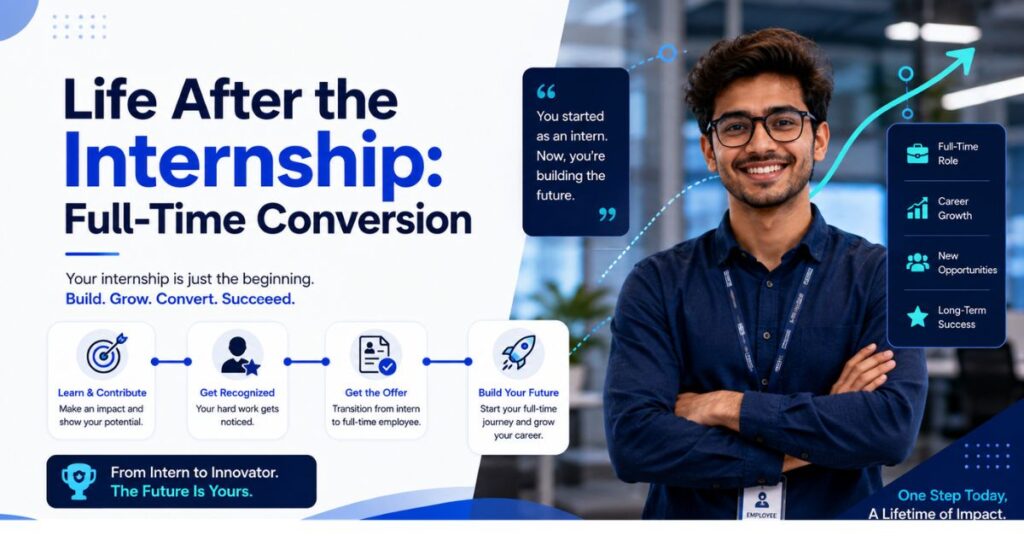
Many IBM interns receive full-time offers before their internship even ends. IBM often extends offers to strong performers a few weeks before the program wraps up.
Factors that influence conversion:
- Quality of work delivered during the internship
- Feedback from your manager and mentor
- Team fit and communication skills
- Business needs and open headcount at the time
If you don’t receive an offer immediately, that doesn’t mean the door is closed. IBM sometimes follows up later in the year once new roles open.
Latest Trends in IBM’s Internship Program
IBM’s internship program keeps evolving alongside its business priorities.
- Growing focus on AI and WatsonX projects, giving interns hands-on generative AI exposure
- More hybrid cloud work, since IBM has shifted heavily toward hybrid cloud services
- Increased quantum computing exposure through Qiskit-based projects
- Stronger emphasis on practical coding assessments over pure theory
- More global remote internship options, opening roles to students outside major tech hubs
Staying updated on IBM’s official newsroom and careers blog helps you align your application with what the company currently values.
Troubleshooting Common Application Problems
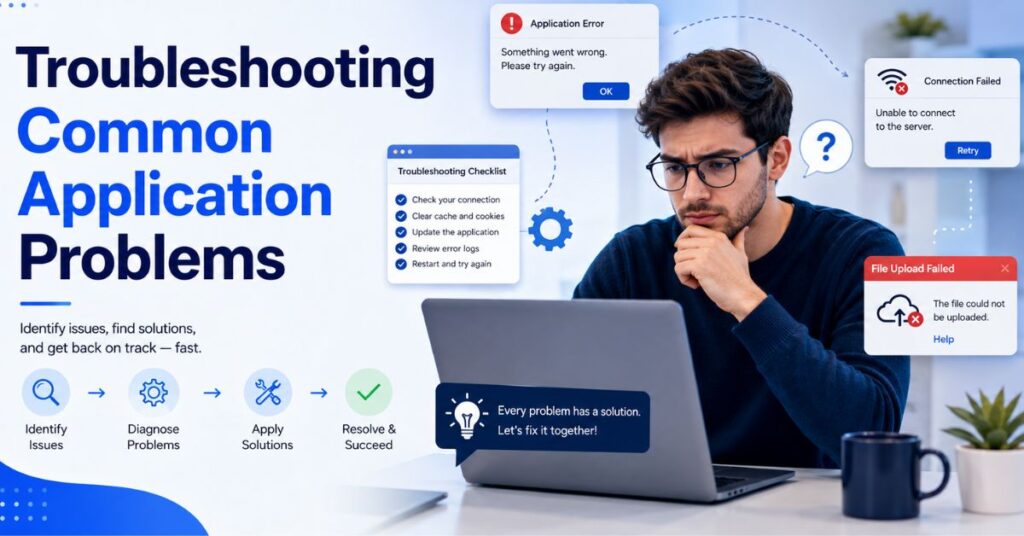
Problem: Application seems stuck in “under review.” Solution: This is normal during high-volume periods. Continue applying to other roles instead of waiting on one application.
Problem: Online assessment link expired. Solution: Contact IBM’s recruiting support through the careers portal immediately to request a new link.
Problem: No response after the interview. Solution: Wait at least two to three weeks before following up with a polite email to your recruiter.
Problem: Rejected but want to reapply. Solution: Most companies, including IBM, allow reapplication in future cycles. Use the feedback period to build stronger projects.
Key Takeaways
- The IBM Software Engineer Internship is a paid, hands-on program for students in tech-related fields.
- Strong fundamentals in one programming language matter more than knowing many languages shallowly.
- The application process includes a resume screen, coding assessment, and interviews.
- IBM offers internships across cloud, AI, cybersecurity, data engineering, and quantum computing.
- Many interns receive full-time offers based on performance and team fit.
- Applying early and tailoring your resume significantly improve your chances.
Conclusion
The IBM Software Engineer Internship is one of the strongest ways to start a career in technology. You get real projects, mentorship, and a shot at a full-time role at a global company.
Success comes down to solid coding fundamentals, clear communication, and genuine interest in what IBM builds.
Start preparing early, apply to multiple teams, and treat every interview as a chance to show how you think, not just what you know.
Frequently Asked Questions
1. What GPA do I need for an IBM Software Engineer Internship?
IBM does not publicly require a fixed GPA. Strong academic performance helps, but real projects and coding skills matter just as much.
2. Is the IBM Software Engineer Internship paid?
Yes. IBM pays interns a stipend or hourly wage, along with additional benefits depending on location.
3. How long does the IBM internship last?
Most summer internships run 10 to 12 weeks. Co-op programs can last 6 months or longer in some regions.
4. What programming languages should I learn first?
Python, Java, and JavaScript are strong starting points. Pick one and build real projects before spreading across multiple languages.
5. Can international students apply?
Yes, but eligibility depends on visa rules and work authorization in the internship’s country.
6. How hard is the IBM internship interview?
It focuses on core data structures, algorithms, and clear communication. It is approachable for well-prepared students, not designed to trick candidates.
7. Does IBM offer remote internships?
Yes. IBM offers remote, hybrid, and on-site internships depending on the team and location.
8. What happens after the internship ends?
Strong performers often receive full-time job offers before or shortly after the internship concludes.
9. When should I apply for an IBM internship?
Apply as early as possible once applications open, usually several months before the internship start date.
10. Do I need prior internship experience to apply?
No. Many successful applicants have no prior internship experience but show strong personal or academic projects instead.
SEO Tags
- IBM Software Engineer Internship
- IBM Internship Guide
- Tech Internships 2026
- Software Engineering Careers
- IBM Careers
- Early Professional Program
- Coding Internship Tips
- IBM Cloud Careers
- Student Tech Jobs
- IBM Interview Preparation
Internal Linking Suggestions
- Anchor text: “top cloud computing certifications” → link to a cloud certification guide
- Anchor text: “how to prepare for coding interviews” → link to a technical interview prep article
- Anchor text: “best programming languages to learn in 2026” → link to a programming languages guide
- Anchor text: “resume tips for tech students” → link to a resume-writing guide
- Anchor text: “guide to tech internships” → link to a general internship comparison article
Authoritative External References
- IBM Careers – https://www.ibm.com/careers
- IBM Newsroom – https://newsroom.ibm.com
- IBM Training and Certification – https://www.ibm.com/training
- IBM Qiskit (Quantum Computing) – https://www.ibm.com/quantum/qiskit
- IBM Watsonx – https://www.ibm.com/watsonx
Social Media Title
IBM Software Engineer Internship: Your Complete 2026 Roadmap
Social Media Description
Thinking about applying for an IBM Software Engineer Internship? Here’s everything you need: eligibility, interview tips, salary, and real intern projects.