




Introduction
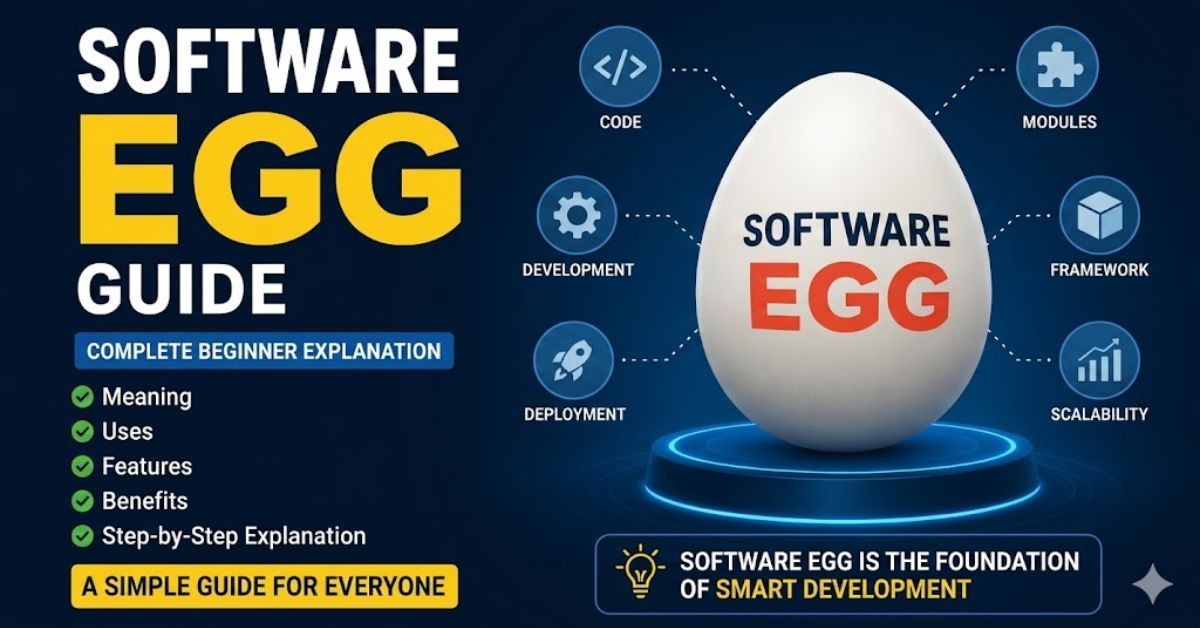
Software egg represents a modern approach to software development where developers use a ready-made base structure to build applications faster and more efficiently.
Software egg works like a starting framework that already includes essential tools, libraries, and configurations. Developers use software egg to avoid building everything from scratch.
In today’s fast digital world, companies need to launch products quickly. Software egg helps businesses achieve this goal by reducing setup time and improving development speed.
Instead of spending hours or days building basic architecture, developers start directly with a structured system. Software egg allows them to focus on features instead of setup work.
Software egg also improves teamwork in software projects. Multiple developers can work on different modules without breaking the core structure.
This makes software egg systems more organized, stable, and easy to manage. It also supports modern development practices like modular design, cloud computing, and DevOps workflows.
Many tech companies and startups use software egg to build web applications, mobile apps, and enterprise systems.
Software egg helps them test ideas quickly and scale products easily when demand increases.
Because of this flexibility, software egg has become an important concept in modern software engineering.
In this article, you will learn what software egg means, how software egg works, its features, benefits, real-world uses, and its limitations in simple and clear language.
What is Software Egg?
Software Egg describes a modern concept where a software system stays in a “ready-to-develop” or “early-stage packaged form” before full deployment.
Developers use the term Software Egg to represent a lightweight, modular, and pre-configured software structure that can grow into a full application.
People often compare Software Egg with the starting point or foundation of a digital product. Developers design it to hold basic functions, libraries, and frameworks so teams can expand it quickly.
Many startups and tech teams use Software Egg to speed up development and reduce setup time.
In simple words, Software Egg works like a “seed” of software. It already contains the essential structure, but it still needs development to become a complete system.
Developers can plug in new features, APIs, and tools without rebuilding everything from scratch.
Software Egg also helps maintain consistency in large projects. Teams use it to standardize coding patterns and reduce errors.
It improves collaboration because every developer works on the same base structure.
Key Points about Software
- Software Egg acts as a base structure for software development
- Developers use it to speed up project setup
- It contains reusable components and libraries
- It supports scalability for future upgrades
- Teams use it to maintain coding standards
Software Egg also fits modern software practices like microservices and modular design. It supports flexible development, which helps companies launch products faster.
How Software Egg Works in Development
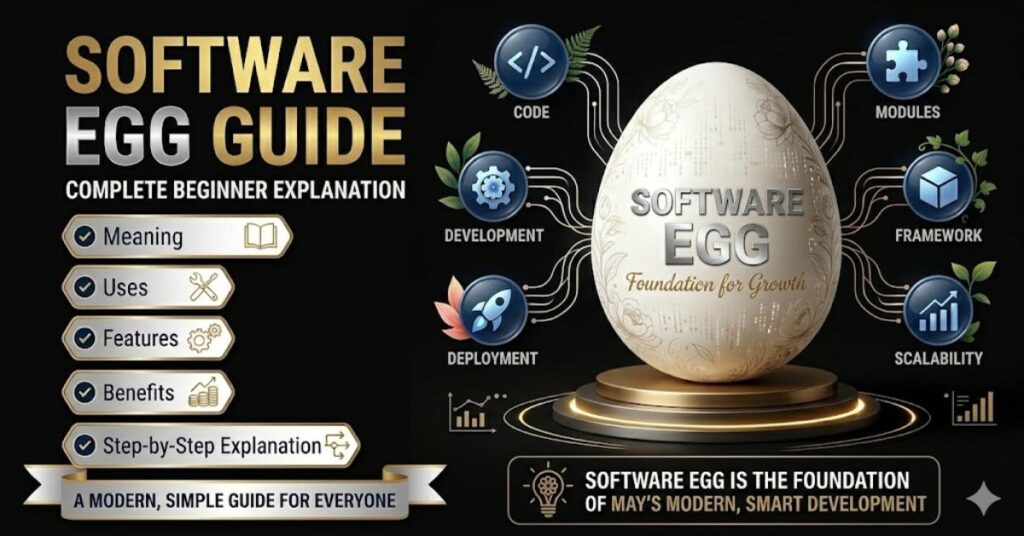
Software Egg works as a structured starting package for developers. It includes pre-built configurations, reusable code modules, and basic system architecture.
Developers activate Software Egg when they start a new project to avoid building everything from scratch.
When a team uses Software Egg, they first install or load the base structure. Then they customize it according to project needs. This process saves time and reduces development errors.
Software Egg usually follows a step-by-step flow. Developers define the purpose, configure the core modules, and then expand functionality.
It supports both small and large projects because of its flexible design.
In modern development, Software Egg plays an important role in DevOps pipelines. It allows smooth integration with CI/CD tools.
Teams can test, deploy, and update applications faster using this approach.
Software Egg also improves collaboration. Each developer can work on different modules without breaking the main structure. This separation of tasks increases productivity.
Working Process:
- Developers initialize the Software Egg structure
- They configure core libraries and dependencies
- Teams customize features based on requirements
- Developers integrate APIs and external tools
- Final testing and deployment happen through pipelines
Software Egg also supports version control systems. Developers track changes easily and roll back when needed. This makes the entire development process more stable and reliable.
Features and Benefits of Software Egg ( Advantages)
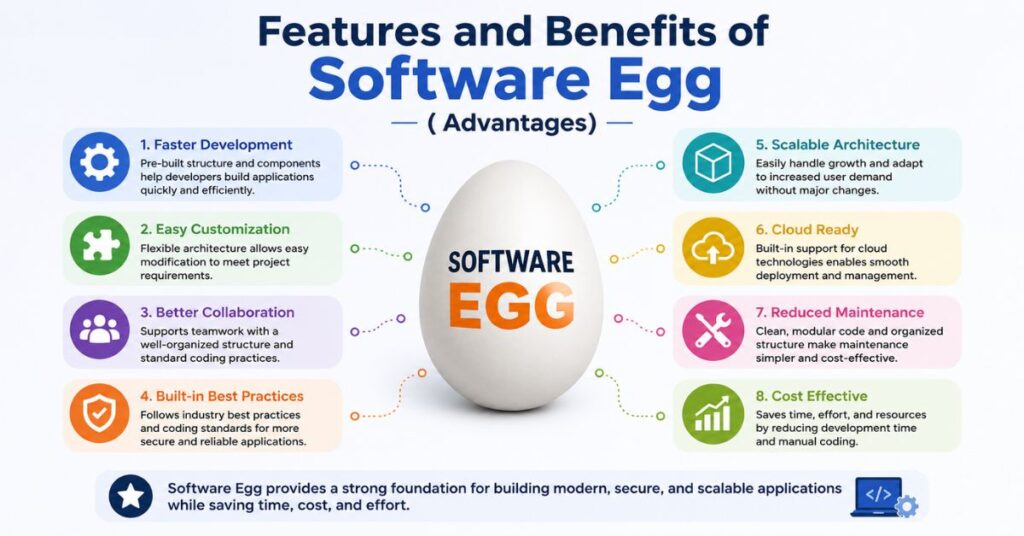
Software Egg provides several features that help developers build applications faster and more efficiently. It focuses on modular design, scalability, and reusability.
The biggest advantage of Software Egg is speed. Developers do not waste time setting up basic architecture. Instead, they focus on building features.
Software Egg also improves software quality. Since it uses predefined standards, it reduces coding mistakes. Teams follow a consistent structure, which improves readability and maintenance.
Another benefit is flexibility. Software Egg supports different programming languages, frameworks, and tools. Developers can adapt it to various project types such as web apps, mobile apps, or enterprise systems.
Features of Software
- Pre-built software structure
- Modular architecture design
- Easy integration with APIs
- Scalable framework support
- Compatible with DevOps tools
Benefits of Software
- Reduces development time
- Improves code consistency
- Supports team collaboration
- Enhances scalability
- Simplifies maintenance
Software Egg also helps businesses reduce costs. Companies spend less time on setup and more time on innovation. This leads to faster product launches and better market performance.
Comparison of Software Egg with Traditional Software Development
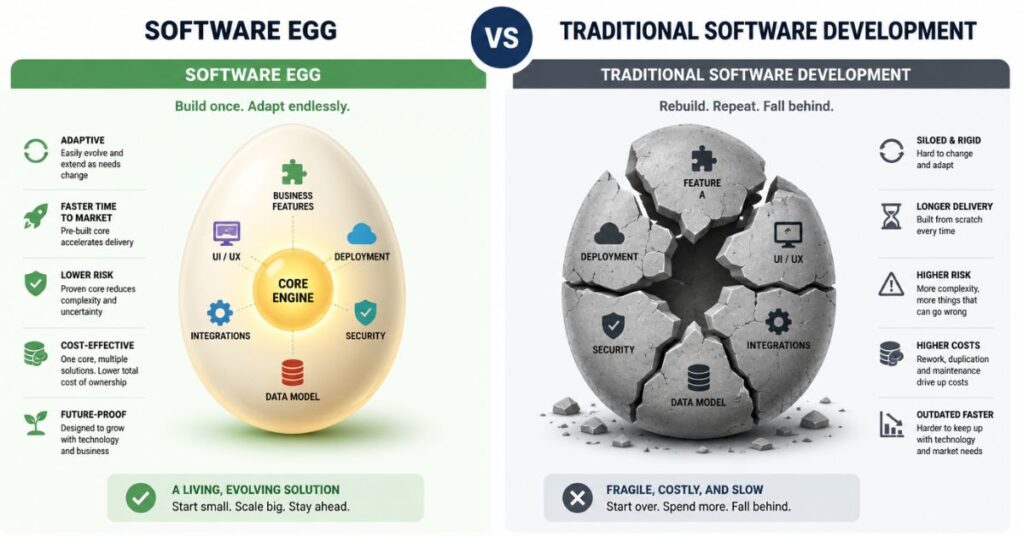
Software Egg differs significantly from traditional software development methods. Traditional development starts from zero, while Software Egg starts with a pre-built structure.
In traditional methods, developers manually configure everything. This process takes more time and increases the risk of errors. Software Egg eliminates this problem by providing a ready-to-use foundation.
Software Egg also improves team efficiency. Multiple developers can work on different modules without conflicts. Traditional systems often struggle with coordination issues.
Comparison Table:
| Feature | Software Egg | Traditional Development |
| Setup Time | Fast | Slow |
| Structure | Pre-built | Built from scratch |
| Flexibility | High | Medium |
| Error Rate | Low | Higher |
| Collaboration | Easy | Complex |
| Scalability | Strong | Limited |
Software Egg also supports modern development practices like Agile and DevOps. Traditional methods often struggle to match this speed and flexibility.
Businesses prefer Software Egg because it improves time-to-market. Companies can launch products faster and respond to user feedback quickly.
Real-World Applications of Software Egg
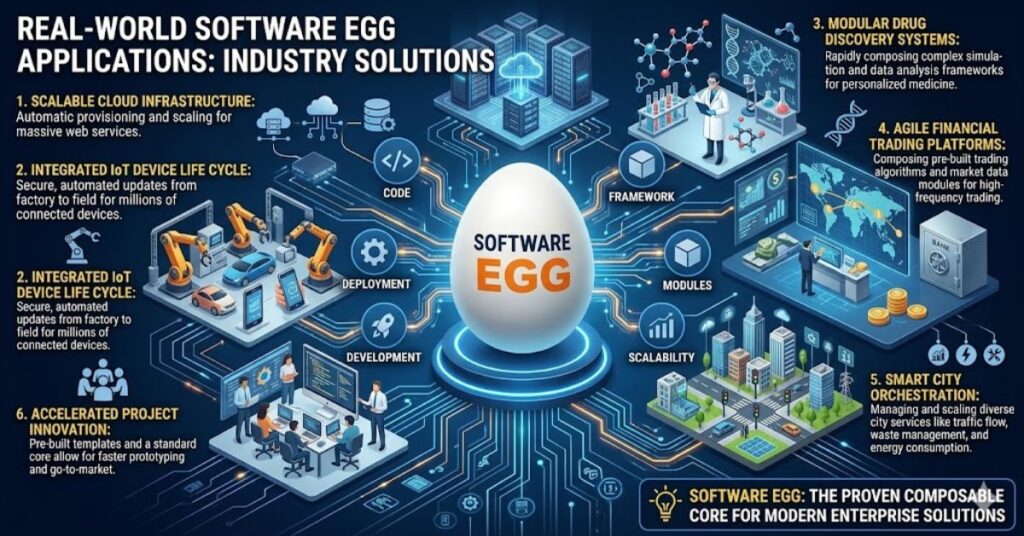
Software Egg plays an important role in modern software industries. Many companies use it to develop scalable and efficient applications.
Tech startups use Software Egg to build MVPs (Minimum Viable Products). It helps them test ideas quickly without heavy investment.
Large companies use Software Egg to maintain complex systems with multiple modules.
Software Egg also works in cloud-based systems. Developers use it to build SaaS platforms, e-commerce systems, and mobile applications.
Common Use Cases:
- Web application development
- Mobile app frameworks
- SaaS platforms
- Enterprise software systems
- API-based services
Software Egg also supports AI and machine learning systems. Developers use it to structure data pipelines and model training systems.
In education, Software Egg helps students learn software architecture faster. It provides a clear structure that simplifies complex development concepts.
Many organizations also use Software Egg for automation systems. It helps integrate tools and reduce manual work.
Challenges and Limitations of Software Egg
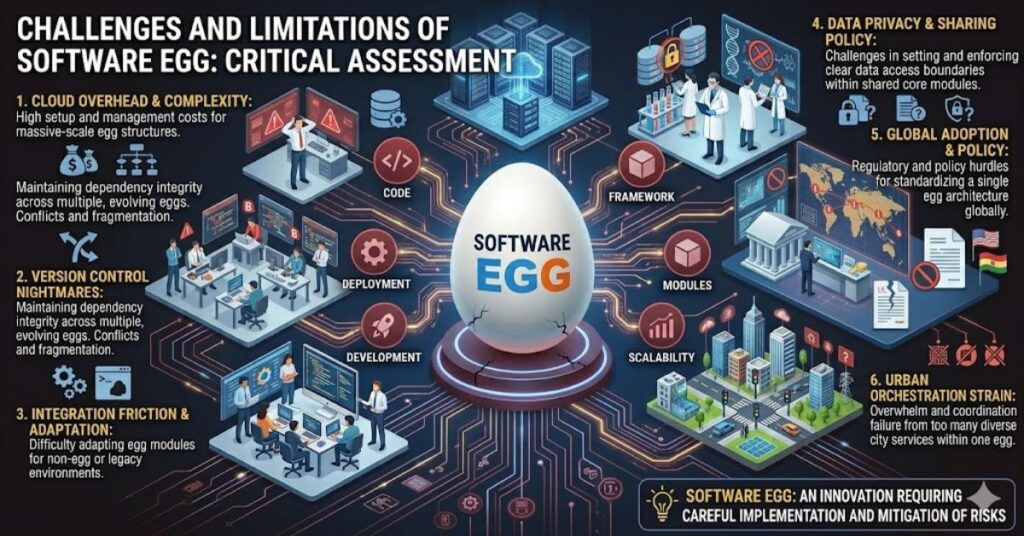
Although Software Egg provides many benefits, it also has some limitations. Developers must understand these challenges before using it.
One major challenge is dependency management. Software Egg relies on multiple libraries and modules. If one component fails, it can affect the entire system.
Another limitation is customization complexity. Some Software Egg frameworks come with fixed structures. Developers may find it hard to modify them for unique requirements.
Software Egg also requires technical expertise. Beginners may struggle to understand its architecture.
Challenges of Software
- Dependency issues between modules
- Limited customization in some cases
- Requires skilled developers
- Learning curve for beginners
- Integration challenges with legacy systems
Despite these challenges, Software Egg remains a powerful development approach. Companies overcome these issues through proper planning and training.
Developers often combine Software Egg with modern tools like Docker, Kubernetes, and cloud platforms to improve performance.
Final Thoughts
Software egg gives developers a faster and smarter way to build modern applications. It reduces setup time, improves code structure, and helps teams focus on real features instead of basic configuration work.
Software egg also supports scalability, teamwork, and flexibility. Developers can expand projects easily without rebuilding everything from zero.
This makes it useful for startups, enterprises, and fast-growing tech products.
However, developers must still plan carefully. Software egg works best when teams understand its structure and use it correctly with modern tools and best practices.
In short, software egg improves speed, quality, and efficiency in software development. It helps companies build better digital products in less time and with fewer errors.
FAQs
1. What is Software Egg in simple words?
Software Egg is a pre-built software structure that helps developers start projects quickly and efficiently.
2. Why do developers use Software Egg?
Developers use Software Egg to save time, reduce errors, and improve software development speed.
3. Is Software Egg suitable for beginners?
Yes, but beginners need basic knowledge of programming and software architecture.
4. What are the main benefits of Software Egg?
It improves speed, scalability, and collaboration and reduces development costs.
5. Can Software Egg work with cloud systems?
Yes, Software Egg works well with cloud platforms and modern DevOps tools.
6. Does Software Egg replace traditional coding?
No, it supports coding but provides a structured foundation for faster development.
7. What industries use Software Egg?
IT companies, startups, SaaS platforms, and enterprise software teams use Software Egg widely.